
Where Can You Find Quality Used Cars Available for Purchase in Your Local Area?
Navigating the Used Vehicle Market with Confidence and Clarity
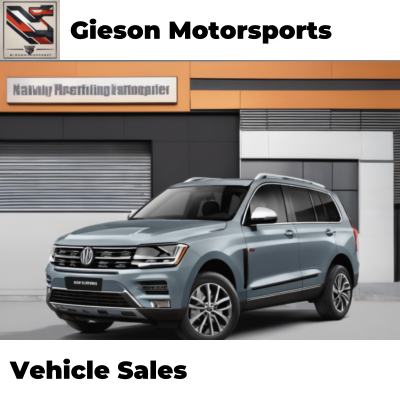
The process of locating a dependable used vehicle presents considerable challenges for most consumers. Dealerships saturate local markets, each claiming superiority while maintaining questionable inventory practices. Distinguishing between legitimate dealers and those cutting corners requires understanding what separates exceptional automotive retailers from mediocre operations. The complexity intensifies when considering financing options, warranty coverage, vehicle history documentation, and post-sale support mechanisms that vary wildly across different establishments.
When someone searches for "used cars for sale near me," they're typically facing multiple intersecting concerns simultaneously. Budget constraints collide with feature desires. Reliability concerns wrestle with appearance preferences. Timeline pressures mount as transportation needs become urgent. These competing demands create decision paralysis that leads many buyers toward hasty choices they later regret. The intelligent approach involves stepping back, understanding what actually matters in vehicle selection, and identifying dealerships that prioritize customer satisfaction over quick commissions.
Quality matters tremendously. Not all used vehicles represent equal value despite similar price points. A five-year-old sedan with meticulous maintenance records, regular oil changes, and comprehensive service history differs dramatically from an identical model that received sporadic attention and deferred maintenance. The mechanical condition, interior preservation, exterior cosmetics, and accident history create vastly different ownership experiences. Some vehicles thrive for hundreds of thousands of miles while others develop persistent problems within months.
The Importance of Local Dealership Relationships
Establishing connections with reputable local dealerships transforms the vehicle-buying experience. Rather than navigating an anonymous marketplace where sellers disappear after transactions conclude, working with established local operations creates accountability. These dealers maintain physical locations, employ identifiable staff members, and build reputations within their communities. Word-of-mouth recommendations carry substantial weight because previous customers interact with potential buyers directly.
Local dealerships depend on repeat business and positive reviews. They cannot vanish overnight. They cannot ignore warranty claims or dismiss mechanical failures. They cannot shift blame to distant corporate offices when problems arise. This geographic proximity and business continuity create natural incentives toward ethical practices and customer-focused service delivery.
Understanding Vehicle Inventory Curation and Selection Processes
The difference between exceptional dealerships and average ones becomes apparent through examining how they source, inspect, and prepare their inventory. Some dealers purchase vehicles without thorough evaluation, simply transferring title and hoping for the best. Others implement rigorous inspection protocols that identify mechanical issues, cosmetic problems, and structural concerns before any vehicle reaches the sales floor.
Comprehensive Pre-Purchase Inspections and Documentation
Establishments committed to customer satisfaction conduct extensive pre-purchase inspections. These examinations go far beyond cursory visual checks. Qualified technicians evaluate engine compression, transmission responsiveness, brake system integrity, suspension functionality, electrical systems, fluid conditions, and safety equipment operations. They discover hidden problems before customers do.
Additionally, legitimate dealerships provide complete vehicle history reports. These documents reveal previous accidents, title issues, flood damage, salvage history, service records, and ownership transitions. A vehicle with a clean title history tells an entirely different story than one carrying salvage designations or flood damage notations. Understanding this history empowers buyers to make informed decisions rather than gambling with incomplete information.
Inventory Diversity and Specialization Considerations
Different dealerships maintain different inventory philosophies. Some stock exclusively newer model years with lower mileage, appealing to buyers seeking nearly-new experiences at reduced prices. Others specialize in older vehicles priced for budget-conscious purchasers willing to accept higher mileage in exchange for affordability. Still others focus on specific vehicle types—trucks for construction professionals, sedans for commuters, SUVs for families.
The most customer-focused dealerships maintain diverse inventory because they recognize that different customers need different solutions. Someone commuting thirty miles each direction requires different vehicle characteristics than someone making local deliveries. A family with young children needs different safety features than a retiree. A construction worker needs different cargo capacity than an office professional. Dealerships that acknowledge these variations and stock accordingly demonstrate genuine customer understanding.
The Critical Role of Transparent Pricing and Honest Communication
Deceptive pricing practices plague portions of the automotive retail landscape. Some dealers advertise impossibly low prices to attract customers, then surprise them with undisclosed fees, unnecessary add-ons, and pressure tactics designed to extract additional money. These bait-and-switch tactics damage trust and create adversarial relationships where customers feel manipulated.
Transparent dealerships price vehicles fairly and explain all costs upfront. They identify pricing components clearly: the vehicle cost, applicable taxes, documentation fees, registration expenses, and any optional services or warranties. They don't hide charges in fine print or deploy surprise fees during final paperwork stages. This honesty extends beyond pricing into discussions about vehicle condition, mechanical concerns, cosmetic imperfections, and realistic maintenance expectations.
Building Value Propositions Beyond Simple Price Points
Competitive pricing matters, certainly. But pricing represents only one component of overall value. A slightly higher-priced vehicle that includes comprehensive warranty coverage, professional detailing, recent service work, and exceptional customer support often provides superior value compared to a cheaper option lacking these benefits.
Consider what warranty coverage encompasses. Some dealers offer basic warranties covering only major mechanical failures. Others provide comprehensive coverage including parts and labor. The duration varies—some warranties extend for mere weeks while others continue for years. Extended warranties provide peace of mind that cheap vehicles without coverage simply cannot match. When unexpected repairs arise, warranty protection prevents devastating financial consequences.
Preparation quality affects value significantly. A vehicle detailed meticulously, with new wiper blades, fresh brake pads, fluid top-ups, and minor cosmetic touch-ups demonstrates professional preparation. The same vehicle neglected and sent to the lot directly demonstrates indifference toward customer experience. These preparation differences affect both immediate satisfaction and long-term reliability since proper maintenance prevents future problems.
Financing Solutions and Credit Flexibility
Many used vehicle buyers face financing challenges due to credit history complications, insufficient down payments, or previous loan defaults. Dealerships that work with customers despite these complications provide invaluable service to underserved populations. Rather than dismissing applicants outright, progressive dealerships partner with multiple lenders, including specialized finance companies that work with challenged credit profiles.
Multiple Financing Options for Diverse Credit Situations
Buyers with excellent credit access favorable interest rates and flexible terms. Buyers with challenged credit face steeper rates but still qualify for manageable payments. First-time buyers without established credit history need patient guidance through the process. Military members, healthcare workers, and educators sometimes qualify for specialized programs. Recent graduates, trade apprentices, and vocational students often receive targeted support.
The most customer-centric dealerships acknowledge these variations and maintain relationships with multiple lenders accommodating different situations. They don't force customers into inappropriate financing schemes. They explain options clearly, compare terms transparently, and help buyers understand long-term payment obligations before commitments materialize.
Down Payment Flexibility and Trade-In Value
Substantial down payments reduce monthly financing obligations and demonstrate purchase commitment. However, some buyers lack significant savings despite stable income and creditworthiness. Progressive dealerships structure flexible down payment arrangements, sometimes accepting trade-ins as down payment contributions rather than demanding cash upfront.
Trade-in evaluations require honesty. Dealerships that undervalue trade-ins artificially boost their profit margins while reducing customer equity. Conversely, dealerships that evaluate trade-ins generously create favorable situations for buyers and build customer loyalty. Fair trade-in appraisals consider vehicle condition, mileage, maintenance history, market demand, and current wholesale values.
The Significance of Post-Purchase Support and Ongoing Service
The relationship between dealerships and customers extends far beyond the moment of sale. Vehicles require maintenance, encounter problems, need repairs, and sometimes require significant work. Dealerships that provide exceptional post-purchase support distinguish themselves from competitors focused solely on transaction closure.
Warranty Implementation and Claim Processing
When dealers offer warranty coverage, the proof lies in claims processing. Some dealerships honor every claim promptly and completely. Others look for technicalities, deny coverage incorrectly, or provide hassle-filled claim processes that discourage customers from asserting legitimate warranty rights. The dealership culture around warranty claims reveals its true customer commitment level.
Efficient service departments accomplish repairs quickly without unnecessary delays. Communication throughout the process keeps customers informed. Detailed work orders explain what was performed and why. Warranty coverage remains obvious and uncomplicated. When unexpected additional issues appear during service, honest technicians notify customers before proceeding rather than completing expensive work without authorization.
Building Relationships Beyond Single Transactions
Dealerships that maintain customer databases and track ownership histories create opportunities for targeted outreach regarding maintenance needs, recall notices, and new inventory matching customer preferences. Regular communication reminds customers about oil change intervals, brake inspections, tire rotations, and fluid checks that prevent breakdowns and extend vehicle lifespan.
Loyalty programs sometimes reward repeat customers with service discounts, financing rate reductions on future purchases, or exclusive inventory access. These programs acknowledge that retaining existing customers proves far more profitable than constantly acquiring new ones. When customers experience excellent treatment, they naturally return for service, purchase additional vehicles, and recommend the dealership
to friends and family members.
Evaluating Vehicle Condition and Making Informed Purchasing Decisions
Assessing used vehicle condition requires systematic evaluation rather than emotional reactions to appearance or features. A beautiful exterior conceals nothing about mechanical reliability. Attractive upholstery doesn't guarantee engine longevity. Understanding what to examine separates wise purchases from regrettable mistakes.
Mechanical Systems and Engine Performance
The engine represents the vehicle's mechanical heart. Performance issues here create cascading problems affecting reliability, safety, and long-term ownership costs. Prospective buyers should listen carefully during test drives, paying attention to unusual noises, hesitation during acceleration, or rough idling that suggests underlying concerns.
Transmission condition determines whether gear changes occur smoothly or jerkily. Delayed engagement, slipping between gears, or difficulty shifting indicate transmission problems that prove expensive to repair. Transmission fluid color and smell reveal maintenance history—dark, burnt-smelling fluid suggests neglect or hard use.
Brake systems require thorough evaluation because brake failure creates safety emergencies. Soft brake pedals, grinding noises, or excessive stopping distances all warrant serious concern. Suspension components affect ride quality and handling stability. Worn shocks, damaged struts, or loose bushings compromise vehicle control, especially during emergency maneuvers.
Electrical Systems and Ancillary Components
Modern vehicles depend heavily on electrical systems controlling everything from ignition and charging to climate control and safety features. Dimly lit dashboard warning lights, difficulty starting, or alternator failures create operational problems. Window motors, door locks, and seat adjustments represent convenience features that prove expensive when malfunctioning.
Air conditioning systems require proper refrigerant levels and compressor functionality. Heating systems depend on engine coolant circulation and heater core function. These climate control systems enhance comfort significantly, and repairs prove costly. Roof condition, paint integrity, and weather stripping all affect water infiltration that causes interior damage and rust development.
Interior Preservation and Comfort Assessment
The cabin environment affects daily ownership satisfaction. Stains, tears, or unusual odors indicate prior damage or inadequate maintenance. Cigarette smoke penetrates fabric permanently, creating persistent smells that prove nearly impossible to eliminate. Pet hair embedded in upholstery requires professional extraction or complete replacement.
Dashboard cracks, broken trim pieces, and missing controls suggest rough prior ownership. Steering wheel wear, seat condition, and carpet stains reveal usage intensity. Climate control functionality, radio operation, and window mechanisms all contribute to daily convenience. Seatbelt operation, airbag indicators, and safety equipment functionality directly affect occupant protection.
Understanding Market Dynamics and Pricing Intelligence
Used vehicle markets fluctuate based on supply availability, seasonal demand variations, economic conditions, and manufacturer production levels. Understanding these dynamics helps buyers recognize genuine value compared to inflated asking prices or exceptional bargains indicating underlying problems.
Seasonal Variations and Inventory Patterns
Winter months typically see reduced inventory as fewer vehicles change hands during harsh weather. Spring brings renewed buying activity as drivers prepare for road season. Summer represents peak buying season with maximum inventory availability and most competitive pricing. Fall sees another surge as buyers prepare for winter driving.
Certain vehicle types command premium prices during specific seasons. All-wheel drive vehicles appreciate during winter months. Convertibles and convertible-top vehicles spike in spring and summer. Trucks increase in value before construction season. Understanding these patterns helps buyers time purchases strategically, sometimes securing better deals during off-season shopping.
Regional Market Variations and Local Preferences
Geographic regions develop distinct vehicle preferences based on climate, terrain, economy, and culture. Northern regions favor vehicles with strong winter performance and heated features. Southern regions see less demand for winter-specific capabilities. Rural areas emphasize truck prevalence while urban centers favor compact vehicles and sedans.
These regional variations affect inventory availability and pricing. Vehicles perfectly suited for one region may cost significantly less in areas where they're less desirable. A buyer relocating from warm climates might find winter-capable vehicles surprisingly affordable in southern markets. Conversely, compact city cars command premium prices in urban areas but represent bargains in rural regions.
Age, Mileage, and Depreciation Considerations
Vehicle depreciation follows somewhat predictable patterns. The steepest depreciation occurs during the first year, with values dropping 15-20% immediately. Subsequent years see continued depreciation at declining rates. After approximately five years, depreciation curves flatten considerably. By ten years, many vehicles reach relative pricing stability where condition matters far more than age.
Mileage represents another crucial depreciation factor. High-mileage vehicles of the same year and model cost substantially less than low-mileage examples. The question becomes whether that mileage reflects highway driving (gentler on vehicles) or city driving (harder on components). A vehicle with 150,000 highway miles might prove more reliable than one with 100,000 city miles that received irregular maintenance.
Understanding depreciation helps buyers recognize which vehicles represent genuine value versus overpriced options. A three-year-old vehicle priced identically to a one-year-old example likely contains problems justifying its lower age. Conversely, older vehicles sometimes cost surprisingly little despite reasonable condition because most buyers prefer newer models regardless of reliability.
The Psychology of Vehicle Selection and Decision-Making Processes
Purchasing decisions involve both logical analysis and emotional factors. Recognition of these psychological elements helps buyers make rational choices despite emotional attachments or pressures.
Avoiding Common Purchasing Pitfalls and Cognitive Biases
Buyers often fall victim to sunk cost fallacy, continuing pursuit of particular vehicles after identifying problems because they've already invested time in the process. Anchoring bias causes overvaluation of initial prices, making subsequent offers seem worse regardless of market reality. Confirmation bias leads buyers to ignore warning signs while emphasizing positive characteristics.
Emotional attachment to appearance or features can override practical considerations. A vehicle presenting beautifully but containing mechanical problems still represents poor value. Conversely, a mechanically sound vehicle with cosmetic imperfections represents superior value despite initial appearance. Successful buyers separate emotional reactions from practical assessments.
The Importance of Patience and Refusing Pressure Tactics
High-pressure sales environments deliberately create urgency, suggesting limited inventory or impending price increases to force hasty decisions. Quality dealerships don't pressure customers because they understand that satisfied customers return repeatedly while pressured customers resent the experience and avoid future interaction.
Patience allows proper research, multiple test drives, thorough inspections, and careful consideration. Rushing into purchases leads to buyer's remorse, unforeseen problems, and financial regret. Successful purchasers take time to compare options, verify information, and ensure alignment between vehicle characteristics and actual needs.
Distinguishing Needs from Wants and Budget Realism
Genuine transportation needs differ from lifestyle desires. A commuter genuinely needs reliable transportation with reasonable fuel economy. They don't necessarily need premium sound systems, leather seating, or advanced navigation features. Distinguishing needs from wants prevents overspending on unnecessary features while ensuring critical requirements receive appropriate attention.
Budget realism determines sustainability of vehicle ownership. Monthly payments represent only one cost component. Insurance, maintenance, repairs, fuel, and registration add substantial ongoing expenses. A vehicle stretching maximum financing capacity leaves no margin for unexpected repairs or income disruptions. Conservative budgeting creates financial security and long-term satisfaction.
Leveraging Technology and Information Resources for Smart Shopping
Modern vehicle shopping benefits from information accessibility previous generations lacked. Online resources provide pricing data, reliability ratings, safety information, and detailed specifications. Wise buyers leverage these resources systematically.
Vehicle History Reports and Background Investigation
Comprehensive vehicle history reports reveal previous accidents, title issues, service records, and ownership transitions. These reports catch problematic vehicles before emotional attachments develop. Multiple accident reports, flood damage notations, or salvage titles indicate serious concerns warranting avoidance despite attractive pricing.
VIN decoding services provide detailed specifications, production dates, and original equipment information. These details verify dealer representations and identify potential inconsistencies suggesting title problems or component swapping. Factory colors, option packages, and special editions become verifiable rather than reliant on dealer claims.
Reliability Ratings and Long-Term Ownership Data
Independent organizations track vehicle reliability through surveys of actual owners. These ratings identify model years and manufacturers demonstrating consistent durability compared to problem-prone alternatives. Buying vehicles with strong reliability ratings reduces unexpected repair frequency and associated costs.
Owner forums and discussion boards provide honest perspectives from people experiencing these vehicles daily. Owners describe common problems, maintenance patterns, and long-term performance. This crowdsourced information often reveals issues manufacturer data and professional reviews might miss.
Online Pricing Tools and Market Value Analysis
Multiple websites aggregate pricing data identifying fair market values for specific vehicles based on age, mileage, condition, location, and features. Comparing asking prices against market data prevents overpaying significantly. Understanding market values empowers negotiation, allowing buyers to make reasonable counteroffers backed by objective data.
Depreciation calculators project future values, helping buyers understand long-term ownership costs. Vehicles maintaining value better create lower overall ownership expenses. Conversely, vehicles depreciating rapidly represent poor value despite attractive initial pricing.
Financing calculators demonstrate