
Why Should You Choose a Custom Build Shop for Your Motorsports Vision?
Understanding What Custom Builds Actually Mean in Modern Motorsports
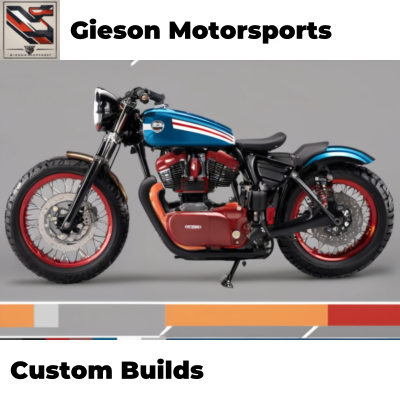
Custom builds represent far more than simply slapping together aftermarket parts and calling it a day. The process demands technical expertise, mechanical understanding, and an almost artistic vision combined with engineering precision. When someone orders a custom build, they're essentially commissioning a mechanical work that transforms their vehicle into something uniquely tailored to their specifications, performance requirements, and aesthetic preferences.
The distinction between a standard vehicle and a custom build lies in the intentionality behind every modification. Stock vehicles come off assembly lines designed for mass appeal and broad functionality. They represent compromises—compromises between performance and fuel economy, between aggressive styling and mainstream acceptance, between sportiness and comfort. A custom build, however, obliterates these compromises. It takes a platform and reshapes it entirely according to the builder's vision and the owner's demands.
The Technical Complexity Behind Custom Automotive Construction
Building a vehicle from the ground up requires understanding multiple interconnected systems. Engine modifications don't exist in isolation; they demand corresponding changes to transmission systems, cooling infrastructure, fuel delivery mechanisms, and electrical management. A builder who bumps horsepower without considering heat dissipation creates a timebomb. Suspension upgrades need matching brake systems and chassis reinforcement. Every decision cascades through the entire vehicle architecture.
This interconnectedness explains why genuine custom builds demand experienced professionals. Someone might purchase a turbocharger kit online and attempt installation themselves, but without understanding fuel mapping, boost pressure optimization, and engine management tuning, they've created a liability. Professional builders maintain this systems-level perspective throughout every project phase.
Why DIY Attempts Often Fall Short
Many enthusiasts harbor romantic notions about building their own vehicles. They envision long evenings in the garage, learning through hands-on experience, and emerging with a masterpiece. Reality introduces complications that quickly dampen this enthusiasm. Specialized diagnostic equipment costs thousands of dollars. Alignment racks, dynamometers, and computer programming systems aren't casual investments. A single mistake during construction can transform a vehicle into a rolling hazard.
Professional shops operate with industrial-grade equipment and institutional knowledge accumulated across countless projects. They've encountered problems you haven't yet imagined and developed solutions tested through real-world applications. They maintain relationships with suppliers, understand which components prove reliable under extreme conditions, and possess troubleshooting experience that simply cannot be compressed into weekend YouTube tutorials.
The Comprehensive Custom Build Process Explained
Initial Consultation and Vision Development
Every legitimate custom build begins with extensive conversation between builder and owner. This isn't a casual chat—it's a discovery process where the builder extracts specific information about the owner's goals, timeline, budget parameters, and performance expectations. Does the owner want street presence or track capability? Are they chasing acceleration numbers or fuel efficiency? Do they prefer subtle modifications or aggressive visual statements?
These questions matter profoundly because they guide every subsequent decision. A builder targeting a 1000-horsepower drag racing vehicle makes entirely different choices than someone pursuing a subtle weekend cruiser with enhanced responsiveness. Materials selection, component hierarchy, and engineering priorities shift dramatically based on these foundational answers.
Design and Planning Phases
Once objectives crystallize, the real work begins. Builders develop comprehensive plans detailing:
- Engine modifications and power goals
- Transmission and driveline specifications
- Suspension geometry and handling characteristics
- Brake system requirements
- Electrical and fuel system upgrades
- Aesthetic modifications and visual direction
- Budget allocation across components
- Timeline projections and phases
These plans function as blueprints guiding the entire construction process. They prevent scope creep, establish clear expectations, and allow builders to source components intelligently rather than reactively.
Component Selection and Sourcing
This phase separates amateur attempts from professional operations. Experienced builders maintain catalogs of proven components, understand reliability profiles across different manufacturers, and know which suppliers deliver quality consistently. They've tested performance claims against real-world results and understand which marketing hype obscures mediocrity.
Component selection isn't about picking the most expensive option or the most impressive specifications. It's about intelligent matching—ensuring that every piece works harmoniously with others, that power delivery matches the intended purpose, and that reliability doesn't sacrifice for novelty.
Performance Engineering and Mechanical Customization
Engine Modifications and Powertrain Development
Engine work represents the most visible performance change in custom builds. Traditional approaches include naturally aspirated engine building, where internal components receive careful selection and modification. Rebuilders might install forged pistons designed for higher compression ratios, precision-ground crankshafts minimizing vibration, and specially selected camshaft profiles that optimize valve timing for specific RPM ranges.
Forced induction adds another complexity layer entirely. Turbocharging and supercharging both increase air density entering combustion chambers, multiplying power potential. However, forced induction demands robust engine architecture capable of withstanding increased pressure. Stock components designed for naturally aspirated operation can fail catastrophically when subjected to boost. Professional builders understand these limitations and select or modify components accordingly.
Fuel System Optimization
Modern performance vehicles demand sophisticated fuel delivery systems. Stock fuel pumps designed for 200-horsepower engines cannot reliably deliver fuel to 500-horsepower monsters. Custom builds incorporate high-volume, high-pressure fuel pumps along with appropriately sized fuel lines and injector systems.
Fuel injection tuning represents perhaps the most critical performance element in modern engine modifications. Engine management computers control fuel delivery, ignition timing, and boost pressure management. Someone can install impressive components, but without proper tuning, the engine cannot access its potential. Dyno tuning services allow builders to measure actual power output, identify problems in real-time, and make precise adjustments optimizing performance across the entire RPM range.
Cooling System Enhancements
Increased engine output generates proportionally increased heat. Stock cooling systems sized for factory power levels cannot dissipate the thermal energy created by modified engines. Custom builders upgrade cooling systems with larger radiators, high-volume water pumps, and sometimes dual-fan configurations. Some projects even incorporate auxiliary cooling systems or alternative cooling approaches for extreme applications.
Overheating doesn't simply reduce performance; it actively damages engines through thermal stress, pre-detonation, and component warping. A cooling system that cannot handle the engine's output transforms an impressive modification into a ticking time bomb.
Transmission and Drivetrain Considerations
Power multiplication in the engine creates corresponding stresses throughout the drivetrain. Stock transmissions designed for factory-level torque cannot manage doubled or tripled power outputs. Custom builds frequently incorporate performance transmissions, reinforced internal components, or upgraded transmission controllers.
Manual transmissions might receive stronger clutches, reinforced pressure plates, and modified flywheels. Automatic transmissions often require reprogramming and internal modifications. Some projects transition entirely to different transmission types—perhaps swapping traditional automatics for modern dual-clutch systems offering faster shifts and superior efficiency.
Suspension, Handling, and Chassis Dynamics
Suspension Geometry and Control
A powerful engine without corresponding suspension capability creates an uncontrollable vehicle. Power becomes hazardous when the platform cannot manage it. Professional custom builds address suspension comprehensively, considering ride height, spring rates, damping characteristics, and geometry modifications.
Lowered suspension improves handling dynamics by reducing body roll and lowering the center of gravity. However, excessive lowering creates complications—increased stress on components, reduced ride quality on imperfect surfaces, and altered suspension geometry that can create unpredictable handling characteristics. Skilled builders find the sweet spot balancing performance and drivability.
Brake System Upgrades
Stopping power demands equivalent attention to starting power. Modified vehicles often weigh more (due to reinforcements and equipment) and travel faster. Stock brake systems become inadequate quickly. Quality custom builds incorporate larger rotors, superior brake pad compounds, and reinforced calipers capable of sustained high-performance braking.
Advanced projects sometimes incorporate ceramic or carbon-ceramic brake systems, which offer exceptional thermal resistance and sustained performance. However, these premium systems demand careful specification—they require specific rotor sizes, proper maintenance protocols, and corresponding modifications to brake lines and master cylinders.
Steering and Control Systems
Handling isn't simply about suspension. Steering feedback, response, and geometry profoundly impact how a vehicle feels and performs. Some custom builds modify steering ratio, upgrade steering components for better feedback, or install electronic steering adjustments allowing drivers to modify characteristics on demand.
Wheel and Tire Specifications
Wheels represent more than aesthetic choices. They directly impact performance, handling, and safety. Custom builds typically move to larger diameter wheels with broader tire widths, improving grip and stability. However, wheel selection requires understanding load ratings, offset specifications, and how changes affect drivetrain geometry and speedometer accuracy.
Tire selection equally matters. Performance tires offer superior grip compared to standard road tires but sacrifice longevity and comfort. Custom builders help owners understand these tradeoffs and select tires matching their intended use.
Aesthetic Customization and Visual Identity
Exterior Modifications and Styling Choices
While performance modifications happen beneath
the surface, exterior modifications announce the vehicle's customized nature to the world. Custom builds often feature aggressive bodywork modifications—widened fenders accommodating larger wheels, aerodynamic spoilers reducing lift at high speeds, custom bumpers improving airflow or accommodating larger cooling systems.
Paint work in custom builds transcends simple color application. Builders might specify multi-layer finishes with metallic elements, custom graphics reflecting the owner's personality, or matte finishes contrasting with traditional glossy options. Some projects incorporate color-shifting paints that change appearance depending on viewing angle and lighting conditions.
Interior Customization and Comfort Engineering
The cabin deserves equal attention to mechanical systems. Custom builds frequently feature completely reimagined interiors with upgraded seating, modern infotainment systems replacing factory units, and custom lighting that transforms the driving environment. Some builders incorporate racing-inspired bucket seats with harness systems, while others prioritize comfort with premium leather and ergonomic enhancements.
Dashboard modifications often include digital gauge clusters replacing traditional analog instruments, allowing real-time monitoring of engine parameters—boost pressure, coolant temperature, fuel pressure, and various performance metrics. Owners can obsess over these numbers during spirited driving, gaining insight into their vehicle's behavior.
Lighting Systems and Technological Integration
Modern custom builds incorporate LED technology throughout, improving both aesthetics and functionality. Custom headlight assemblies, tail light modifications, and underglow lighting create distinctive visual signatures. Beyond appearance, LED systems consume less power and generate less heat than traditional lighting.
Technological integration extends to sophisticated audio systems, backup camera arrays providing multiple viewing angles, and climate control systems offering independent cabin zone management. Some projects incorporate advanced driver assistance features adapted from modern vehicles.
The Financial Reality of Custom Builds
Understanding Budget Allocation and Cost Structures
Custom builds demand serious financial commitment. Entry-level projects might consume $15,000 to $30,000, while serious performance builds easily exceed $100,000. Ultra-premium projects can approach six-figure investments or beyond.
Budget allocation typically follows this general structure:
- Engine modifications consuming 20-35% of total budget
- Suspension and chassis work accounting for 15-25%
- Aesthetic modifications representing 10-20%
- Electrical and fuel systems comprising 10-15%
- Labor costs representing 20-30% depending on project complexity
- Contingency reserves (15-20%) for unexpected complications
Professional builders maintain these proportions intelligently, ensuring no single area receives excessive funding while others suffer from neglect.
Hidden Costs and Unexpected Expenses
Custom builds rarely proceed without complications. Once builders begin disassembly, they often discover rust, hidden damage, or component failures invisible before work begins. Experienced builders anticipate these complications and establish contingency budgets.
Component incompatibilities sometimes emerge only during assembly. A theoretically perfect part might not physically fit without modifications. Electrical integration might demand unexpected rewiring. These complications demand flexibility—both in budget and timeline.
Return on Investment Considerations
Unlike traditional home improvements offering modest ROI, custom builds rarely return their full investment in resale value. A $100,000 custom build might only increase a vehicle's market value by $40,000 to $60,000. Owners pursuing custom builds do so primarily for personal satisfaction rather than financial gain.
However, well-executed builds by reputable shops maintain value better than amateur projects. Professional builds command respect in enthusiast communities and retain desirability among buyers seeking quality customization.
Quality Indicators and Professional Standards
Workmanship and Attention to Detail
Superior custom builds reveal themselves through meticulous attention to detail. Wiring harnesses run cleanly with proper routing and protection. Welds appear uniform and professional. Mechanical fasteners receive appropriate torque specifications and threadlock application. Component fitment matches factory-quality standards despite custom modifications.
This craftsmanship extends beyond visible elements. Internal engine work demonstrates precision—valve lapping, clearance specifications, and component balance reflect professional standards. Builders document their work, allowing owners to understand every modification and maintain their vehicles properly.
Documentation and Build Records
Legitimate custom shops maintain comprehensive documentation throughout projects. Build photos capture each phase, demonstrating progress and providing reference materials for future maintenance. Parts invoices verify component authenticity and quality. Dyno sheets document actual power output and performance characteristics. Service records establish maintenance protocols and component specifications.
This documentation proves invaluable for future owners, mechanics, or warranty claims. It demonstrates professionalism and provides confidence that the build was executed thoughtfully.
Warranty and Ongoing Support
Professional custom builders stand behind their work through warranty coverage. While warranties cannot cover every component permanently, reputable shops guarantee workmanship for specified periods—typically one to three years depending on the scope.
Beyond warranties, quality builders provide ongoing support. They answer questions about vehicle operation, recommend maintenance intervals, and troubleshoot problems that emerge after delivery. This continuing relationship distinguishes professional operations from shops simply taking money and disappearing.
Choosing the Right Builder for Your Project
Evaluating Shop Experience and Specialization
Not all custom shops possess equal capabilities. Some specialize in vintage vehicle restoration, others focus on modern performance builds, and some excel with specific platforms—Chevrolet muscle cars, Japanese imports, or European sports cars. Matching your project type with appropriate builder specialization matters significantly.
Experience depth matters equally. A shop that has completed hundreds of turbo installations understands problems and solutions that shops with minimal experience cannot anticipate. They've developed efficient processes, maintain relationships with reliable suppliers, and possess troubleshooting expertise impossible to replicate.
Portfolio Review and Previous Work Assessment
Quality builders maintain portfolios showcasing completed projects. These portfolios reveal design aesthetic, quality standards, and specialization areas. Photos should demonstrate professional photography and thorough documentation of finished work.
Beyond simple portfolio review, speak with previous customers. Ask about their experience—not just final satisfaction, but process quality. Did the builder maintain clear communication? Were timelines realistic? Did unexpected costs emerge excessively? Did the builder stand behind their work when problems developed? Previous customer experiences predict future service quality.
Communication Style and Project Management
Custom builds demand extensive collaboration. The builder should demonstrate clear communication, realistic expectations, and detailed project management. They should explain processes in understandable language rather than dismissing questions with technical jargon. They should maintain regular contact updates, provide honest assessments when problems emerge, and involve owners in important decisions.
Red flags include builders who discourage customer input, maintain vague communication, or resist explaining their processes. Quality builders recognize that owners invested emotionally and financially—they deserve transparent partnership throughout construction.
Facility Assessment and Equipment Evaluation
Professional custom shops maintain properly equipped facilities. Observe the cleanliness standards—quality work rarely emerges from chaotic environments. Evaluate equipment—do they possess dynamometer testing capability? Proper diagnostic equipment? Professional alignment systems? Welding equipment matching modern standards? State-of-the-art shops invest continuously in tools enabling quality work.
The facility reflects the shop's commitment to quality. Professional environments demonstrate respect for vehicles and work standards. Cluttered, poorly maintained shops raise legitimate concerns about attention to detail and professionalism.
Common Misconceptions About Custom Builds
The Myth of Unlimited Performance
Many enthusiasts believe that more power always equals better performance. In reality, performance represents the intersection of multiple factors—power delivery characteristics, weight distribution, handling balance, and driver skill all matter critically. A 500-horsepower vehicle poorly balanced handles worse than a 400-horsepower vehicle engineered comprehensively.
Professional builders understand these balancing considerations. They resist the temptation to maximize single metrics—horsepower, top speed, or acceleration figures—at the expense of overall vehicle balance and drivability. The goal isn't simply raw numbers but creating vehicles that excel at their intended purpose.
Reliability Concerns with Modified Vehicles
Stock vehicles undergo extensive durability testing before production. Modified vehicles haven't benefited from this rigorous validation. This creates legitimate reliability concerns—but only if modifications were executed poorly. Professional builds conducted by experienced shops using quality components and proper engineering prove remarkably reliable.
The distinction matters: amateur modifications using bargain-basement components with inadequate installation create unreliable vehicles. Professional builds using premium components, proper installation, and professional tuning achieve reliability comparable to stock vehicles despite significantly enhanced performance.
Fuel Economy Penalties in Performance Builds
Modern engine management systems allow sophisticated tuning balancing performance with efficiency. A well-tuned performance engine might consume only marginally more fuel than its stock counterpart during normal driving, even with dramatically increased performance potential. Drivers can access aggressive power delivery when desired while operating conservatively for routine commuting.
This flexibility represents one of modern tuning's greatest advantages. Vintage performance vehicles demanded constant compromise—aggressive performance meant accepting constant fuel consumption penalties. Contemporary vehicles allow having both.
The "One Size Fits All" Build Approach
Some shops operate according to templates—everyone gets similar modifications, comparable power levels, and standardized solutions. This assembly-line approach contradicts custom build philosophy. Legitimate custom shops recognize that every owner possesses different priorities, budgets, and intended uses.
Quality